Identity participates in the psychological career planning of an athlete. The correlation between self-identity and career development has transition into maturity, especially of male college student athletes. College students are encouraged to engage in self-exploration in order to determine a clear sense of self, direction and correlation. Playing a sport can complement or impede the process, it solely depends on the athlete.
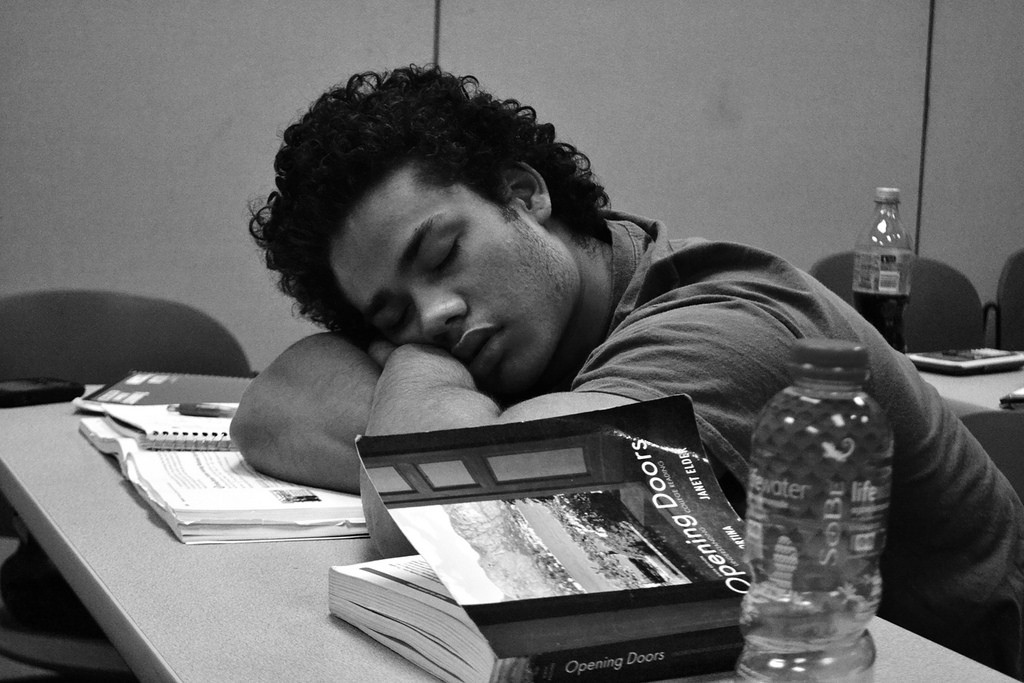
Athletic identity can lead an athlete to neglect other areas of life. Things such as family, friends, and school work for student athletes. But there is some potential positive influence that comes with self-identity. Why does this matter? Sport participation especially in the culture is rather encompassing for the delicate athlete. The hours spent competing and training is exhausting and often doesn’t leave time for anything else besides school.
There’s always hep when the athlete needs it. It’s a pivotal point in life when the athlete needs help transitioning. Coping with career change should be the absolute concern of helping the athlete. Parents and the coach should be there for these athletes. and the belief that one’s career outcomes are unaffected by one’s actions are associated with lower self-efficacy for career decision-making tasks. In addition, student-athletes reported spending anywhere from 20 to 30 or more hours per week participating in their sport, yet few expressed an expectation to advance to the professional rank.

 Mind Game